Urgent Call: MNAs Demand National Strategy to Confront Climate Change and Flood Devastation
Pakistani MNAs urge urgent national strategy to tackle climate change and flood devastation. Lawmakers highlight governance gaps, deforestation, and disaster resilience needs.
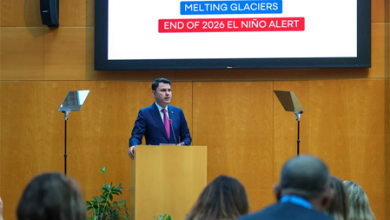
Climate Change and Flood Devastation have once again dominated Pakistan’s political and humanitarian discourse. On Tuesday, September 2, 2025, Members of the National Assembly (MNAs) in Islamabad sounded an urgent alarm, demanding a coordinated national strategy to confront environmental crises.
With record-breaking floods, cloudbursts, and infrastructure collapses, lawmakers called on federal and provincial governments to act before Pakistan slips further into disaster.
Lawmakers Sound Alarm on Climate Change and Flood Devastation
Saira Afzal Tarar: Melting Glaciers and Hafizabad Floods
MNA Saira Afzal Tarar praised the NDMA for presenting alarming data on glacial melt. She warned that the Chenab River swelled past one million cusecs this year, threatening the Qadirabad Barrage.
Tarar emphasized that Pakistan is facing dual climate threats—traditional river floods and cloudbursts. She urged the Punjab government to reclaim natural drainage channels and strictly enforce the Punjab Floodplain Act 2014.
She further highlighted governance gaps created after the 18th Amendment, stressing that climate change requires federal-level coordination, not fragmented provincial responses.
Samina Khalid Ghurki: Rising Above Politics
MNA Samina Khalid Ghurki urged unity beyond party lines, declaring:
“Being in opposition should not mean rejecting every initiative of the government.”
She warned of food shortages, inflation, and humanitarian crises in the aftermath of floods, calling for long-term resilience planning.
Shahida Akhtar Ali: Deforestation and Urban Mismanagement
MNA Shahida Akhtar Ali described the disaster as a “national trial”. She said deforestation and encroachments in Khyber Pakhtunkhwa alone caused damages worth Rs 1.7 billion.
She demanded:
-
University-led research on soil erosion prevention
-
Regulation of housing societies lacking drainage and resilience plans
-
Accountability for illegal encroachments in constituencies
Ali praised volunteers in Buner who rescued flood victims before official teams arrived, questioning why state institutions lag behind despite having vast resources.
Asiya Ishaq: MQM-P Recommendations for Resilience
Speaking for MQM-P, Asiya Ishaq stressed that Pakistan suffers the most despite contributing less than 1% to global emissions.
Her recommendations included:
-
Establishing food and floodplain zones
-
Banning housing projects on river routes
-
Constructing elevated flood shelters with evacuation drills
-
Creating a Monsoon Resilience Fund via PSDP, provincial ADPs, and catastrophe bonds
She criticized Pakistan’s reliance on donor pledges, recalling that after the 2022 floods, only a fraction of the pledged $11 billion materialized.
Nausheen Iftikhar: Man-Made Tragedies Worsening Floods
MNA Nausheen Iftikhar recalled the 2010 and 2022 floods, stressing that unchecked mafias worsen disasters. In her Sialkot constituency, 70 villages were submerged and 25,000 acres of farmland destroyed.
She called the tragedy “more man-made than natural,” blaming timber and land mafias for illegal encroachments and environmental destruction.
Noor Alam Khan: Accountability for Encroachments
MNA Noor Alam Khan mourned lives lost in Buner, Shangla, and Peshawar, blasting bureaucrats for issuing illegal NOCs that allowed construction on riverbeds.
He warned:
“Rivers never abandon their natural paths—even after a hundred years they return.”
He demanded strict accountability of officers who enriched themselves while endangering citizens and criticized the KP PDMA for lacking even basic rescue equipment.
Governance Gaps After the 18th Amendment
Several MNAs pointed to the 18th Amendment as a governance barrier. While devolution strengthened provinces, climate disasters require centralized frameworks. Experts argue that national climate legislation should override fragmented local approaches.
Learn more about the 18th Amendment’s governance impacts.
Economic and Food Security Threats Ahead
Flood devastation has wiped out thousands of acres of farmland, threatening food supplies, inflation, and poverty levels. With Pakistan already facing economic fragility, lawmakers stressed the urgent need for agricultural resilience programs.
FAO reports highlight that climate shocks in Pakistan are directly linked to food insecurity.
Proposed National Actions for Climate Resilience
Lawmakers proposed a multi-pronged national strategy:
-
Enforcing floodplain and housing laws strictly
-
Investing in glacial monitoring systems
-
Creating emergency evacuation shelters in flood-prone districts
-
Launching reforestation drives to combat soil erosion
-
Ensuring accountability for illegal encroachments
-
Establishing a National Resilience Fund with transparent financing mechanisms
For context, Pakistan’s National Climate Change Policy 2021 already outlines climate resilience pathways, but implementation gaps remain.
Internal Links for Readers
Conclusion: A Wake-Up Call for Pakistan
The debate on climate change and flood devastation in Pakistan’s National Assembly underscores one truth: time is running out. The country is battling recurring floods, melting glaciers, and cloudbursts while governance gaps and corruption deepen the crisis.
Unless Pakistan builds a unified national climate strategy, invests in resilience, and holds accountable those who profit from encroachments, the next floods could be deadlier and costlier.
This urgent call from MNAs is more than a debate—it is a wake-up call for survival.