
Climate Change and Pakistan’s Struggle for Survival: 7 Brutal Truths Exposing a Climate Emergency
Climate change and Pakistan’s struggle for survival reveal a harsh reality of floods, heatwaves, and economic shocks threatening millions despite Pakistan’s minimal global emissions.
Climate change and Pakistan’s struggle for survival define one of the starkest injustices of the global climate crisis. Pakistan contributes less than one percent of global greenhouse gas emissions, yet it ranks among the world’s most climate-vulnerable countries. This imbalance is no longer theoretical. It is visible in flooded villages, scorched cities, polluted air, and shrinking livelihoods.
From the Indus plains to the Himalayan glaciers, climate change is reshaping Pakistan’s economy, society, and future.
A Crisis Pakistan Did Not Create
Pakistan’s carbon footprint remains small compared to industrialized nations. Yet warming driven elsewhere is intensifying extreme weather across the country. This injustice lies at the heart of climate change and Pakistan’s struggle for survival.
Communities face repeated disasters without the financial buffers available to wealthier nations, forcing recovery to depend on debt, aid, and delayed rebuilding.
Floods That Changed a Nation
The 2022 super floods marked a devastating turning point. Nearly one-third of Pakistan was submerged at peak flooding. Over 33 million people were affected, more than 8 million displaced, and 1,700 lives lost.
A joint damage assessment by the Government of Pakistan, the World Bank, ADB, and the United Nations estimated losses exceeding $30 billion, close to five percent of GDP. Agriculture, housing, transport, and public services all suffered massive destruction.
Heatwaves, Smog, and Daily Survival
Before the floods, Pakistan endured one of the most intense heatwaves ever recorded. Temperatures crossed 49°C in Sindh and southern Punjab. Cities like Jacobabad reached conditions near the limits of human survival.
Heatwaves reduce work hours, damage crops, raise hospital admissions, and disrupt education. Meanwhile, smog blankets cities like Lahore, forcing school closures and choking economic activity.
Climate change and Pakistan’s struggle for survival are felt not only during disasters but in daily life.
Glaciers, Seas, and Geographic Exposure
Pakistan’s geography multiplies climate risk. In the north, glacier melt increases the danger of glacial lake outburst floods (GLOFs), threatening valleys and infrastructure in Gilgit-Baltistan.
In the south, sea-level rise and reduced Indus flows allow seawater intrusion, salinizing farmland and displacing coastal communities. Mangrove loss further weakens natural defenses.
Economic Shockwaves and Rising Poverty
Climate change is now a macroeconomic threat. According to the World Bank’s Country Climate and Development Report, climate impacts could reduce Pakistan’s GDP by 4.5 to 9 percent by 2050.
Repeated disasters deepen poverty, raise food prices, and strain public finances. Climate shocks act as a hidden tax on development, slowing growth and widening inequality.
Agriculture at the Frontline
Agriculture employs over one-third of Pakistan’s workforce and contributes around 25 percent of GDP. Climate stress hits hardest where people depend on land and livestock.
Floods destroyed millions of acres of crops in 2022 and killed more than a million animals. Heat shortens growing seasons, while drought forces distress sales of livestock. Food insecurity rises when agriculture falters.
Climate change and Pakistan’s struggle for survival are inseparable from the fate of farmers.
Infrastructure, Industry, and Urban Risk
Pakistan’s infrastructure was not built for climate extremes. Roads wash away, power stations flood, and urban drainage systems fail under intense rainfall.
Industrial hubs in Punjab and Sindh face water shortages and flood exposure. With limited insurance coverage, losses fall on public budgets and vulnerable households.
Inequality and the Human Cost
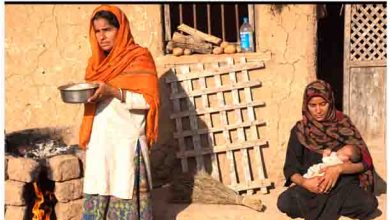
Climate impacts are unequal. Poor households, informal workers, and women face greater risks. Schools become shelters, disrupting education. Heat reduces safe work hours for laborers. Healthcare costs rise with pollution-related illness.
Women often bear added burdens of caregiving and water collection, limiting economic participation.
Energy, Emissions, and Opportunity
Pakistan’s emissions largely come from energy and agriculture. Imported fossil fuels dominate power generation, draining foreign exchange and polluting air.
Pakistan’s updated climate commitments aim for 60 percent renewable electricity by 2030, electric public transport, and no new imported coal. Clean energy offers a triple dividend: lower emissions, reduced import bills, and healthier cities.
Loss and Damage: A Global Turning Point
At COP27, nations agreed to establish a Loss and Damage Fund for countries facing irreversible climate harm. Pakistan, as G77 chair, played a key leadership role.
This recognition matters. Adaptation alone cannot repair destroyed homes or lost livelihoods. Financial solidarity must match climate reality.
What Survival Demands Now
Three priorities define the path forward:
1. Invest in Climate Resilience
Flood protection, early warning systems, climate-proof schools, health facilities, and glacier monitoring save lives and money.
2. Accelerate the Energy Transition
Solar, wind, efficiency standards, and electric transport cut pollution and reduce economic vulnerability.
3. Protect Natural Defenses
Mangroves, watersheds, and urban green spaces are low-cost shields against climate shocks.
Pakistan’s climate financing needs may reach $300–400 billion by 2030, requiring both domestic reforms and international support.
A Fight That Cannot Be Delayed
Climate change and Pakistan’s struggle for survival define the country’s central development challenge. Pakistan did not heat the planet, but the planet is heating Pakistan.
Every year of delay deepens losses. Every year of action builds resilience, cleaner air, safer cities, and stronger livelihoods. The direction is clear. Only speed remains uncertain.