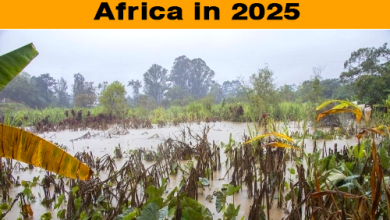

Climate change blamed as Pakistan’s Punjab endures biggest flood in history
Climate change blamed as Pakistan’s Punjab endures the biggest flood in history, displacing millions, destroying crops, and worsening food insecurity.
Climate change blamed as Pakistan’s Punjab endures biggest flood in history. The eastern province, home to nearly 150 million people, is witnessing unprecedented flooding as water levels in its rivers reach record highs.
This disaster has displaced millions, triggered massive evacuations, and sparked renewed debate over climate change, regional water politics, and food security in Pakistan.
Punjab Hit by Historic Floods
Senior provincial minister Maryam Aurangzeb announced on Sunday that this was “the biggest flood in the history of Punjab.” She confirmed that over two million people have been affected, while the rivers Sutlej, Chenab, and Ravi are flowing at levels never recorded before.
Authorities have converted schools, police stations, and security posts into makeshift rescue camps. Evacuations are underway, with boats deployed in areas cut off by rising waters.
Climate Change Intensifying Monsoon Rains
Pakistan is ranked among the top 10 countries most vulnerable to climate change. According to the Pakistan Meteorological Department, Punjab received 26.5% more monsoon rainfall this year compared to 2024.
Global warming has altered South Asia’s monsoon patterns, causing:
-
Heavier downpours in shorter durations.
-
Cloudbursts in mountainous regions.
-
Flash floods and landslides in the north and northwest.
This abnormal rainfall has compounded the devastation, overwhelming dams and river systems.
Read more: UN Report on Climate Change Vulnerability
India’s Release of Water and Cross-Border Tensions
Adding to Punjab’s misery, India released water from swollen rivers and overflowing dams into Pakistan’s eastern plains. This action worsened flooding in low-lying areas.
Minister Aurangzeb noted that the Foreign Ministry is investigating India’s deliberate water release. Although New Delhi warned Pakistan in advance, the move has reignited political and diplomatic tensions.
This was the first direct diplomatic exchange between the two nuclear-armed neighbors since their near-war confrontation in May.
Humanitarian Crisis and Relief Efforts
The National Disaster Management Authority (NDMA) reports:
-
849 deaths nationwide due to rain-related incidents since June 26.
-
1,130 injuries across flood-affected regions.
The scale of displacement in Punjab has forced authorities to rely on temporary shelters, rescue boats, and food aid.
International humanitarian organizations have expressed concern, comparing this flood to the 2022 climate catastrophe when a third of Pakistan was submerged.
Agricultural Losses and Food Security Risks
Punjab is Pakistan’s breadbasket and its largest wheat-producing province. Floodwaters have:
-
Submerged vast agricultural lands.
-
Destroyed standing crops.
-
Threatened upcoming wheat and rice harvests.
Prime Minister Shehbaz Sharif previously warned that Pakistan faces looming food insecurity if monsoon disasters continue unchecked.
The 2022 floods wiped out $30 billion in damages, including massive crop destruction. Analysts warn that Punjab’s losses this year may push the country toward a wheat and rice shortage, forcing costly imports.
Related: Pakistan’s Food Security Challenges
Historical Context: Pakistan’s Vulnerability to Floods
Pakistan’s monsoon season typically runs until late September, but recent years have shown longer and more erratic rainfall cycles.
Key historical flood events:
-
2010: One-fifth of Pakistan submerged, displacing 20 million.
-
2022: Catastrophic floods left 33 million affected and caused $30 billion in damages.
-
2025 (Current): Punjab’s largest flood in history, displacing millions.
These disasters highlight Pakistan’s structural vulnerabilities, including poor urban planning, fragile embankments, and weak drainage systems.
Global Response and Climate Justice Debate
The floods have reignited calls for climate justice. Pakistan contributes less than 1% of global greenhouse gas emissions, yet it consistently bears the brunt of climate-induced disasters.
International climate activists argue that wealthier nations should compensate vulnerable countries like Pakistan through climate finance and loss-and-damage funds.
Pakistan has repeatedly urged global partners to deliver on promises made at COP27, where a Loss and Damage Fund was announced. However, progress on disbursement remains slow.
Read more: Loss and Damage Fund at COP27
Conclusion
The unfolding humanitarian crisis in Punjab underscores the grim reality that climate change is no longer a distant threat—it is here, now, and devastating lives.
As climate change blamed as Pakistan’s Punjab endures biggest flood in history, urgent measures are needed:
-
Strengthening flood defenses.
-
Enhancing early-warning systems.
-
Investing in resilient agriculture.
-
Pushing for international climate finance.
Unless bold steps are taken, Pakistan’s monsoon disasters will only worsen, leaving millions vulnerable and destabilizing the country’s fragile economy.