
BREAKING: Govt to Launch Pakistan Green Taxonomy Backed by World Bank for Sustainable Growth
Pakistan Green Taxonomy, backed by the World Bank, will boost green investment, climate resilience, and sustainable growth by unlocking private finance for climate risk mitigation projects.
The Pakistan Green Taxonomy is set to become a game-changing framework for sustainable development. Designed to align with Pakistan’s climate goals, the initiative will guide policymakers, banks, and investors in identifying and prioritizing green investments.
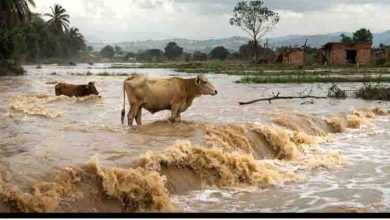
In the backdrop of devastating floods, crop failures, and economic vulnerabilities, Pakistan urgently needs climate-resilient growth. The launch of this taxonomy is a powerful step toward unlocking private capital for projects that safeguard both the environment and the economy.
World Bank’s Role in Supporting Pakistan Green Taxonomy
The World Bank has extended strategic backing for the Pakistan Green Taxonomy, providing technical expertise and financial guidance. According to The Express Tribune, the initiative has been developed collaboratively by:
-
Ministry of Climate Change and Environmental Coordination
-
Ministry of Finance
-
State Bank of Pakistan
-
World Bank experts
After consultations with key ministries—including Planning, Industries, and Communications—the Economic Coordination Committee (ECC) gave its final approval. This paved the way for formal implementation, signaling Pakistan’s intent to align with international climate finance standards.
How the Pakistan Green Taxonomy Works
At its core, the Pakistan Green Taxonomy acts as a classification system for environmentally sustainable economic activities. Much like the EU Green Taxonomy, it provides transparency and credibility to green investments.
Key functions include:
-
Defining green projects across renewable energy, agriculture, and infrastructure.
-
Classifying climate-resilient activities to attract sustainable financing.
-
Ensuring policy alignment between ministries, banks, and investors.
-
Building investor confidence by reducing greenwashing risks.
This means that banks and financial institutions will have a clear roadmap for supporting projects that deliver measurable climate and environmental benefits.
Impact on Climate Resilience and Green Investments
Pakistan is one of the world’s most climate-vulnerable nations, frequently battered by heatwaves, floods, and shifting rainfall patterns. These extreme weather events have severely impacted agriculture, particularly sugar production and food security.
The Pakistan Green Taxonomy directly addresses these risks by channeling finance into:
-
Renewable energy projects (solar, wind, hydropower)
-
Climate-resilient infrastructure (flood defenses, sustainable roads, housing)
-
Water conservation initiatives
-
Pollution control and environmental protection measures
By doing so, it not only strengthens Pakistan’s climate resilience but also positions the country as an attractive destination for green investment flows.
Unlocking Private Finance for Climate Projects
One of the most ambitious goals of the Pakistan Green Taxonomy is unlocking private sector finance, especially from commercial banks. Traditionally, climate projects have relied heavily on foreign aid and public sector funding.
With the taxonomy in place, banks and investors will have:
-
Standardized definitions of green finance.
-
Reduced uncertainty in project selection.
-
Increased opportunities for blended finance and public-private partnerships.
This is expected to mobilize billions in green capital, helping Pakistan meet its Nationally Determined Contributions (NDCs) under the Paris Agreement.
For context, countries like China, the EU, and Malaysia have already adopted green taxonomies to successfully attract climate-smart investments. Pakistan is now poised to follow this transformative global trend.
Challenges Ahead for Green Financing in Pakistan
While the Pakistan Green Taxonomy is a bold and positive step, challenges remain:
-
Limited institutional capacity to implement complex green finance rules.
-
Low awareness among commercial banks regarding climate risk.
-
High upfront costs of renewable energy and climate-resilient infrastructure.
-
Policy inconsistency and regulatory bottlenecks that could slow adoption.
-
Need for capacity-building within ministries and financial institutions.
Experts argue that without strong monitoring, governance, and accountability mechanisms, the taxonomy may face hurdles in delivering its full potential.
Conclusion: A Transformative Step for Pakistan
The launch of the Pakistan Green Taxonomy, backed by the World Bank, represents a historic opportunity for the country to align its financial system with climate resilience and sustainable growth.
By providing a clear framework for green investments, the taxonomy will:
-
Build investor trust.
-
Unlock private capital.
-
Support Pakistan’s climate adaptation and mitigation goals.
-
Enhance transparency and accountability in green finance.
In a nation where climate shocks have cost billions and displaced millions, this initiative could prove transformative. The success of the Pakistan Green Taxonomy will depend on robust implementation, active stakeholder engagement, and continued global support.
Pakistan now has the chance to lead by example in South Asia by turning climate vulnerability into an opportunity for sustainable prosperity.