
Alarming Pakistan Water Inequality Crisis: Why Access to Water Defines Survival and Equality
Pakistan water inequality crisis highlights unequal access to water, climate change risks, and the urgent need for inclusive solutions to ensure survival and sustainability.
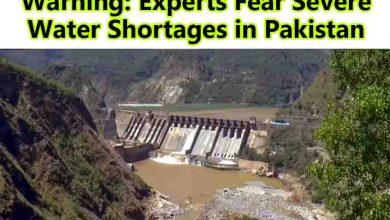
Pakistan water inequality crisis is rapidly becoming one of the most critical challenges facing the country today. In both urban and rural areas, millions of people struggle daily to access clean and reliable water.
From long queues of women waiting for water tankers in Karachi to rural communities where installing a simple pump is a major achievement, the crisis is not just about scarcity—it is about deep inequality.
On World Water Day, observed on March 22 under the theme “Where water flows, equality grows,” global attention turned toward the urgent need to address unequal water access.
Pakistan Water Inequality Crisis Explained
The Pakistan water inequality crisis reflects a stark divide between those who have access to water and those who do not.
Pakistan is ranked among the top 15 most water-stressed countries globally, facing severe shortages due to population growth, climate change, and poor resource management.
In major cities, water supply is often inconsistent, forcing residents to rely on private tankers. In rural areas, access to clean water can require hours of daily effort.
This inequality not only affects living standards but also reinforces social and economic disparities.
Women and Girls Bear the Burden
One of the most striking aspects of the Pakistan water inequality crisis is its disproportionate impact on women and girls.
In many communities, women are responsible for collecting water, often waking before dawn and walking long distances while carrying heavy containers.
This daily struggle results in:
- Lost educational opportunities for girls
- Reduced economic participation
- Physical strain and health risks
The United Nations has emphasized that involving women in water management leads to more effective and sustainable solutions.
Health, Hygiene and Survival Challenges
The consequences of unequal water access extend far beyond inconvenience.
The Pakistan water inequality crisis directly impacts:
- Public health: Lack of clean water increases disease risks
- Hygiene: Poor sanitation leads to infections
- Disaster vulnerability: Water shortages worsen the impact of heatwaves and floods
Families without reliable water sources are more vulnerable to illness, especially children and the elderly.
Climate Change Worsening Water Inequality
Climate change is accelerating the Pakistan water inequality crisis at an alarming rate.
Rising temperatures are increasing evaporation, reducing water availability in reservoirs and dams. At the same time, glaciers in the Hindu Kush-Himalayan region are melting rapidly, disrupting natural water cycles.
This creates a dangerous cycle:
- Short-term floods due to rapid melting
- Long-term water shortages as glaciers shrink
Pakistan, despite contributing minimally to global emissions, remains highly vulnerable to these climate impacts.
The Indus System Under Pressure
The Indus River is the backbone of Pakistan’s water supply, supporting agriculture, industry, and domestic use.
However, the Pakistan water inequality crisis is placing immense pressure on this vital system.
Millions of farmers depend on the Indus basin for irrigation, while cities rely on it for drinking water. Any disruption in this system could have devastating consequences for food security and economic stability.
Mismanagement and Infrastructure Failures
While natural factors contribute to the crisis, human mismanagement has made the situation worse.
Key issues include:
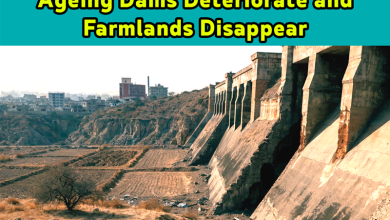
- Ageing water infrastructure
- Inefficient irrigation practices
- Water theft and leakage
- Rapid and unplanned urbanization
These factors result in the loss of vast amounts of freshwater, further deepening the Pakistan water inequality crisis.
Global Pressures on Water Resources
Water challenges are not limited to Pakistan. Global trends are also influencing the Pakistan water inequality crisis.
The rise of energy-intensive technologies, such as artificial intelligence, is expected to significantly increase global water consumption.
Additionally, conflicts around the world can contaminate water systems, as damage to industrial facilities releases toxins into rivers and groundwater.
These global pressures highlight the need for international cooperation to protect water resources.
Solutions for a Sustainable and Equal Future
Addressing the Pakistan water inequality crisis requires a comprehensive and inclusive approach.
Key Solutions:
- Investing in water storage systems: Dams and reservoirs to capture rainwater
- Promoting water conservation: Efficient irrigation and reduced wastage
- Improving urban planning: Sustainable infrastructure development
- Empowering women: Inclusion in water governance and decision-making
- Climate adaptation strategies: Resilient agriculture and disaster preparedness
Public awareness is equally important. From households to policymakers, everyone must recognize the value of water and take responsibility for its conservation.
Conclusion
The Pakistan water inequality crisis is not just an environmental issue—it is a matter of survival, equality, and human dignity.
Unequal access to water is deepening social divides, limiting opportunities, and threatening the health and well-being of millions.
Addressing this crisis requires urgent action, strong policies, and inclusive participation. By prioritizing sustainable water management and ensuring equitable access, Pakistan can move toward a future where water truly becomes a source of equality and growth.
External Links
- United Nations Climate & Water: https://www.un.org/en/climatechange