

Bold Development Push 2026: URAAN Pakistan Climate Resilience Program Strengthens Water Security and Export Growth
URAAN Pakistan climate resilience initiatives are accelerating as the government strengthens water security, disaster preparedness, and export promotion through integrated reforms under the national development framework.
URAAN Pakistan climate resilience initiatives are rapidly reshaping the country’s long-term development strategy as the government intensifies efforts to strengthen water security, climate adaptation, and export competitiveness.
According to the Monthly Development Update (February 2026) released by the Ministry of Planning, Development and Special Initiatives, a series of coordinated reforms were undertaken in January to address structural vulnerabilities related to climate change, disaster risks, and economic sustainability.
These initiatives align with the broader objectives of the URAAN Pakistan framework, which aims to integrate environmental resilience with economic growth under the government’s 5Es development vision.
Related: Pakistan’s climate adaptation
Water Security Emerges as National Priority
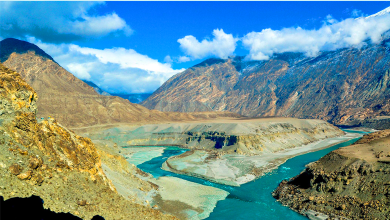
Water conservation has become a central pillar of URAAN Pakistan climate resilience planning, reflecting Pakistan’s growing exposure to water scarcity, glacier melt, and climate-driven hydrological shifts.
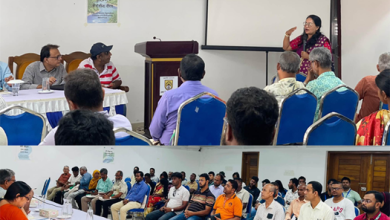
The government recently convened the first meeting of the Task Force on National Water Security, bringing together policymakers and technical experts to assess emerging water risks.
Key challenges discussed included:
Declining freshwater availability
Accelerated glacier melting in northern Pakistan
Climate change impacts on river systems
Threats to agriculture and food security
The forum emphasized the urgent need for coordinated, evidence-based water planning to safeguard long-term national stability.
For broader regional context on water security risks, see:
https://www.worldbank.org/en/topic/water
Climate Adaptation and Disaster Risk Reforms Accelerate
Strengthening climate resilience remains another major focus under the URAAN program.
A consultative workshop held on January 13 highlighted the importance of climate-resilient development planning, enhanced financing mechanisms, and technical cooperation.
Participants endorsed policy actions under the Asian Development Bank’s Climate and Disaster Risk Resilience Enhancement Program, aimed at improving preparedness for:
Floods
Heatwaves
Extreme weather events
Infrastructure vulnerabilities
These reforms seek to reduce disaster-related economic losses while improving community-level resilience.
More on disaster resilience planning:
https://www.adb.org/what-we-do/climate-change
Strengthening Institutions for Environmental Resilience
To translate policy frameworks into actionable outcomes, authorities agreed to establish a dedicated working group under the Ministry of Water Resources.
This group will:
Develop implementable water security projects
Submit technical recommendations to the Planning Commission
Organize expert workshops to refine project designs
Technical sessions and stakeholder discussions are also being used to:
- Improve institutional coordination
- Refine climate guidance frameworks
- Accelerate implementation of resilience-focused investments
These measures aim to build a stronger governance structure capable of responding effectively to environmental challenges.
Export Promotion Under URAAN Framework
Beyond environmental priorities, URAAN Pakistan climate resilience planning also integrates economic competitiveness — particularly through targeted export promotion.
Between January 5 and 9, the Planning Commission organized product-specific roundtable consultations involving:
Manufacturers
Exporters
Industry associations
Technical experts
Each session examined:
- Production inputs
- Value addition opportunities
- Compliance standards
- Logistics efficiency
- Market access barriers
A nationwide stakeholder survey further validated findings and broadened industry participation.
The goal is to support targeted reforms that help Pakistan reach its Phase I export target of $63 billion by 2029.
Internal read: Pakistan’s export growth strategy and climate-smart trade
Private Sector and Stakeholder Engagement
A defining feature of the URAAN framework is its emphasis on collaboration.
By engaging exporters, technical specialists, and development institutions, policymakers aim to design reforms that are both practical and market-responsive.
Stakeholder feedback is being used to:
Improve productivity
Strengthen value chains
Enhance international competitiveness
Align regulations with global standards
This consultative approach is expected to improve reform effectiveness and long-term sustainability.
International Cooperation and Development Partnerships
Global engagement continues to support Pakistan’s climate resilience goals.
The government has:
Participated in international forums on early childhood development
Held discussions with development partners on aligned project financing
Mobilized technical cooperation for climate and water initiatives
These partnerships aim to strengthen institutional capacity while unlocking financial support for resilience-focused development.
For global climate cooperation insights, visit:
https://www.un.org/en/climatechange
Linking Sustainability with Economic Growth
What distinguishes URAAN Pakistan climate resilience reforms is their integrated approach.
Rather than treating environmental policy separately from economic planning, the government is now aligning:
Sustainability goals
Growth strategies
Infrastructure investments
Trade competitiveness
This holistic framework recognizes that climate resilience is essential for long-term prosperity.
Water shortages, disaster losses, and climate instability directly undermine economic performance — making adaptation investments not only environmental priorities but also fiscal necessities.
Long-Term Impact of URAAN Reforms
Experts suggest that if effectively implemented, URAAN-driven reforms could:
Improve national water efficiency
Reduce disaster-related economic losses
Strengthen agricultural resilience
Boost export competitiveness
Enhance investor confidence
Over time, this could position Pakistan as a more climate-resilient and economically stable nation in an increasingly volatile global environment.
A New Era of Climate-Smart Development in Pakistan
The government’s latest development update reflects a strategic shift toward forward-looking, climate-smart planning.
By prioritizing water security, strengthening disaster resilience, and promoting exports under a unified framework, Pakistan is addressing its most urgent structural challenges simultaneously.
As climate risks intensify across South Asia, URAAN Pakistan climate resilience may become a critical model for integrating sustainability into national economic policy.
Final Takeaway
Pakistan’s future growth now depends on how effectively it can manage water resources, withstand climate shocks, and compete in global markets.
Through the URAAN program, authorities are laying the foundation for a more resilient, sustainable, and competitive economy — one where environmental protection and economic progress move forward together.