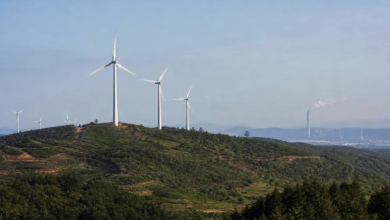

Transformative Climate Collaboration 2026: International Vegetation Restoration and Carbon Sequestration Project at IUB
The International Vegetation Restoration and Carbon Sequestration Project brings Chinese and Pakistani scientists together at IUB to advance climate action, food security, and ecosystem restoration through global collaboration.
The International Vegetation Restoration and Carbon Sequestration Project marked a transformative moment in Pakistan–China climate collaboration as The Islamia University of Bahawalpur (IUB) hosted an international project meeting focusing on ecological restoration, climate resilience, and sustainable land management in mountainous regions.
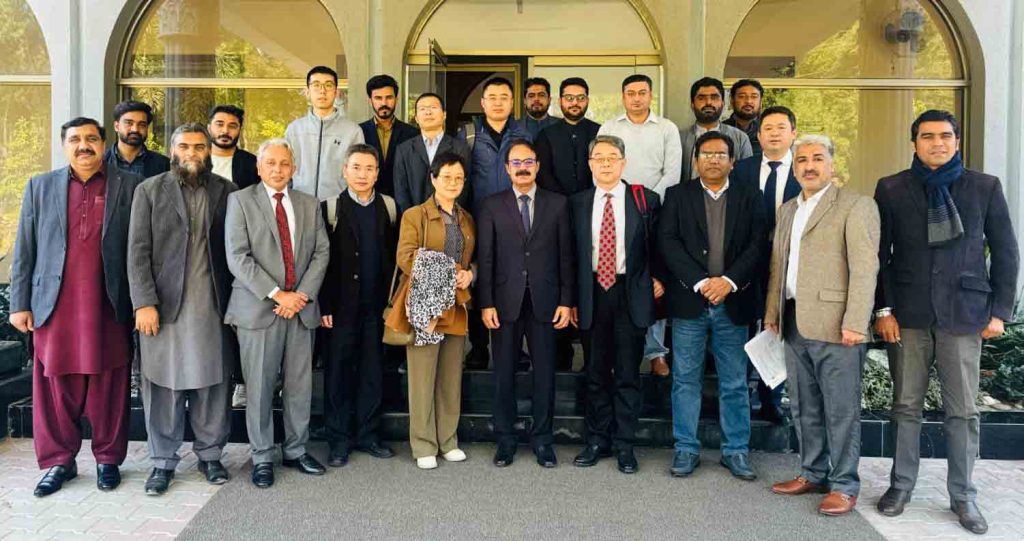
Organized jointly by the Agri Community College, Faculty of Agriculture and Environment, and the International Center for Climate Change Food Security and Sustainability (ICCFS) at IUB, the event brought together senior scientists, diplomats, and researchers from China and Pakistan to explore innovative solutions to climate change, food insecurity, and land degradation.
A Landmark Climate Science Meeting at IUB
Held at IUB’s main campus, the meeting revolved around the theme:
“Study on Vegetation Restoration and Carbon Sequestration Potential of Abandoned Land in Mountainous Areas.”
This theme aligns strongly with global climate priorities such as nature-based solutions, carbon neutrality, and ecosystem restoration, as emphasized by the UNFCCC and IPCC frameworks.
External link: https://www.ipcc.ch/
Strategic Participation of Chinese Research Delegations
Seven distinguished Chinese delegates participated, representing world-renowned institutions:
- Key Laboratory of Land Surface Pattern and Simulation,
Institute of Geographic Sciences and Natural Resources Research (IGSNRR),
Chinese Academy of Sciences (CAS), Beijing - Center for Ecological Civilization Research (CECR),
Chinese Research Academy of Environmental Sciences (CRAES)
These institutions play a critical role in shaping China’s ecological civilization policies, land-use planning, and carbon management strategies.
External link: https://www.cas.cn/
Focus on Mountain Ecosystems and Abandoned Lands
A major component of the International Vegetation Restoration and Carbon Sequestration Project is the rehabilitation of abandoned and degraded lands in mountainous areas, which are often overlooked despite their immense carbon sink potential.
Experts highlighted how:
- Vegetation restoration improves soil carbon storage
- Reforestation enhances biodiversity
- Sustainable land use strengthens rural livelihoods
- Ecosystem recovery reduces climate-induced disasters
Carbon Sequestration and Climate Mitigation Goals
Carbon sequestration remains a cornerstone of global climate mitigation. During the sessions, participants discussed:
- Advanced land-use land-cover (LULC) modeling
- Remote sensing for carbon estimation
- Climate-smart agriculture practices
- Pollution control and soil rehabilitation measures
These approaches directly support Pakistan’s climate adaptation goals and China’s carbon neutrality vision.
Academic Leadership and High-Level Engagement
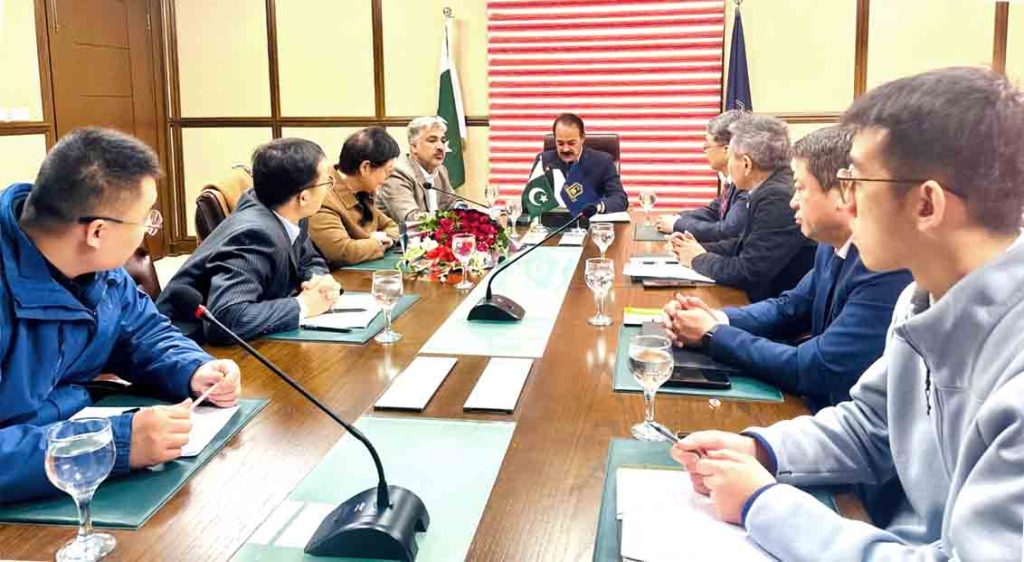
The meeting was presided over by Prof. Dr Abdul Rauf, Pro-Vice Chancellor, IUB, who warmly welcomed the Chinese delegation. He praised their commitment to international scientific cooperation and emphasized IUB’s growing role in climate research diplomacy.
His address highlighted how universities can act as bridges between science, policy, and global partnerships.
Signing of LoA: A New Chapter of Cooperation
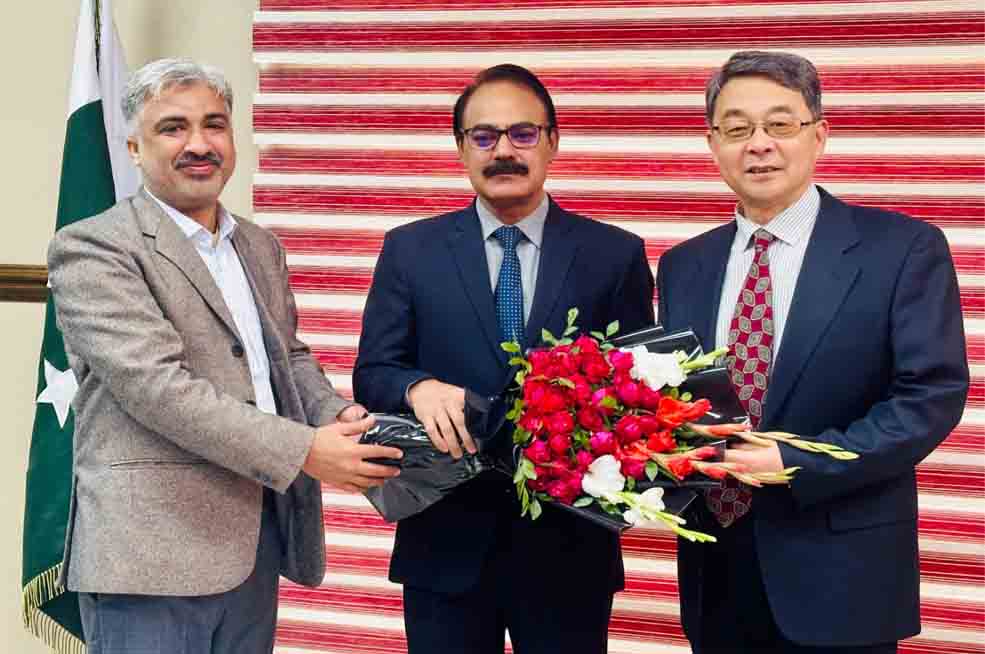
A major breakthrough of the event was the signing of a Letter of Agreement (LoA) between:
- ICCFS / CCCSC – IUB, Pakistan
- IGSNRR – Chinese Academy of Sciences, China
This agreement opens doors to:
- Joint research projects
- Faculty and student exchanges
- Shared climate data and modeling
- Collaborative publications
Opportunities for Funding, Scholarships, and Joint Ventures
The Chinese delegates expressed strong interest in offering:
- Fully funded PhD and Postdoctoral scholarships
- Joint climate research grants
- International training programs
- Technology transfer initiatives
These opportunities will directly benefit IUB students, researchers, and early-career scientists, strengthening Pakistan’s human capital in climate science.
External link: https://www.craes.cn/
Role of ICCFS and Consortium on Climate Change
The International Center for Climate Change Food Security and Sustainability (ICCFS) played a central role in coordinating the event.
Key contributors included:
- Prof. Dr Asif Naveed Ranjha, Patron, CCSC
- Prof. Dr Muhammad Nafees, Chairman, Department of Horticultural Sciences
- Dr. Muhammad Hayder, National Research Center of Inter Cropping, IUB
Their participation underscored the interdisciplinary nature of the International Vegetation Restoration and Carbon Sequestration Project.
Student Engagement and Knowledge Exchange
One of the most inspiring aspects of the meeting was the interactive session with students, particularly those enrolled in the Diploma in Agricultural Sciences.
Chinese delegates engaged directly with students, discussing:
- Career pathways in climate science
- Research methodologies
- International academic exposure
- Innovation in sustainable agriculture
This interaction fostered motivation and global awareness among young scholars.
Pakistan–China Climate Diplomacy in Action
This event reflects the growing depth of Pakistan–China cooperation beyond infrastructure, extending into climate science, sustainability, and ecological restoration.
Such collaborations support:
- Regional climate resilience
- South–South cooperation
- Shared scientific leadership
- Sustainable development goals (SDGs)
Conclusion: A Hopeful Path Toward Sustainability
The International Vegetation Restoration and Carbon Sequestration Project meeting at IUB stands as a powerful symbol of hope, collaboration, and scientific unity in the face of climate change.
By bringing together leading Chinese institutions and Pakistani academia, the initiative lays a strong foundation for long-term research partnerships, climate innovation, and sustainable land restoration.
As climate challenges intensify, such international academic collaborations will be essential in shaping a resilient, low-carbon, and food-secure future for the region and beyond.