2022 Floods International Assistance Crisis: 5 Shocking Truths About Pakistan’s Soft Loan Burden
The 2022 floods international assistance response exposed a harsh reality as Pakistan received mostly soft loans instead of grants. Senate revelations highlight a growing climate finance crisis.
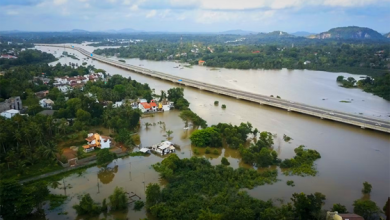
2022 floods international assistance has emerged as a deeply troubling case study in global climate finance inequity. Despite massive destruction caused by unprecedented monsoon flooding, Pakistan received the bulk of international support not as grants, but as soft loans, placing additional financial strain on an already vulnerable economy.
This stark reality was officially confirmed during a Senate session in Islamabad, where the government disclosed that over 80 percent of international pledges following the 2022 floods came in the form of conditional loans rather than direct humanitarian grants.
Senate Briefing Reveals Soft Loan Dominance
During the Question Hour on January 16, Minister for Parliamentary Affairs Dr. Tariq Fazal Chaudhry informed lawmakers that the 2022 floods international assistance framework was heavily tilted toward debt-based support.
According to the minister:
- More than 80% of pledged assistance was offered as soft loans
- Less than 50% of total pledges were actually disbursed
- Most funds were tied to conditions, timelines, and staggered frameworks
This revelation reignited concerns over the credibility of international climate solidarity, especially toward climate-vulnerable nations like Pakistan.
Less Than Half of Pledged Aid Actually Reached Pakistan
One of the most alarming aspects of the 2022 floods international assistance response was the massive gap between promises and delivery.
Despite billions pledged during international donor conferences, Pakistan ultimately received less than half of the announced amount. Many commitments were delayed, restructured, or partially withdrawn, undermining urgent recovery efforts.
According to the United Nations Office for the Coordination of Humanitarian Affairs (OCHA), delayed disbursement remains a systemic issue in global disaster response
External Link: https://www.unocha.org
Domestic Burden: How Pakistan Funded Flood Recovery
Facing uncertain global support, the government under Prime Minister Shehbaz Sharif made a critical decision: cover flood-related losses domestically.
Dr. Chaudhry confirmed that:
- The federal government used national resources
- The Punjab government directly compensated affected families
- Emergency relief, housing, and rehabilitation were largely self-financed
This approach prevented immediate humanitarian collapse but significantly increased fiscal pressure.
Climate Agreements Signed by Pakistan Since 1990
Highlighting Pakistan’s long-standing commitment to climate action, the minister revealed that the country has entered into 16 international climate-related agreements since 1990.
These agreements cover:
- Climate adaptation
- Climate mitigation
- Environmental protection
- Disaster resilience building
Key frameworks include global conventions aligned with the UN Framework Convention on Climate Change (UNFCCC)
External Link: https://unfccc.int
Global Climate Funds Pakistan Is Engaged With
As part of its climate financing strategy, Pakistan is actively engaged with three major international funding mechanisms:
Green Climate Fund (GCF)
Supports large-scale climate adaptation and mitigation projects.
Global Environment Facility (GEF)
Funds biodiversity, climate resilience, and environmental sustainability initiatives.
Adaptation Fund Projects
Targets climate-vulnerable communities with localized solutions.
https://www.adaptation-fund.org
Despite participation, Pakistan continues to face access barriers and lengthy approval processes.
Climate Change as a Diplomatic and Moral Crisis
Dr. Chaudhry stressed that climate change is no longer a theoretical debate but a global emergency demanding collective responsibility.
Pakistan, he said, will continue to raise the issue of climate vulnerability and loss and damage at every international forum, including:
- United Nations
- COP climate summits
- Multilateral development platforms
This stance aligns with Pakistan’s advocacy for climate justice, especially for low-emission but high-impact nations.
Pakistan’s Glaciers: An Alarming Climate Indicator
Scientific data presented to the Senate revealed deeply concerning trends:
- 23% reduction in annual snowfall in glaciated regions
- 3% recorded glacial degradation so far
- Rising temperatures accelerating melt rates
These indicators threaten Pakistan’s long-term water security, agriculture, and hydropower capacity.
According to the International Centre for Integrated Mountain Development (ICIMOD), Himalayan glacier loss poses regional risks
External Link: https://www.icimod.org
Why Soft Loans Deepen Climate Injustice
The 2022 floods international assistance model reflects a deeper structural problem: climate-vulnerable nations are being asked to borrow money to survive disasters they did not cause.
This creates:
- Long-term debt cycles
- Reduced development spending
- Increased economic instability
Experts argue that climate finance must shift from loans to grants-based mechanisms, especially for loss-and-damage events.
The Road Ahead: From Aid Promises to Climate Justice
The Senate revelations serve as a wake-up call. Without reforming international climate finance systems, future disasters will only deepen inequality.
Pakistan’s experience with 2022 floods international assistance underscores the urgent need for:
- Faster disbursement mechanisms
- Grant-based climate funding
- Transparent global accountability
As Dr. Chaudhry concluded:
“Climate change is a severe and escalating threat. The signs are clear, and the impacts are already visible.”