

7 Powerful Signals of Confidence as Pakistan Economic Reforms Drive Historic Growth
Pakistan economic reforms are restoring confidence as macroeconomic stability, export growth, and investor trust signal a powerful economic turnaround, says USA Today.
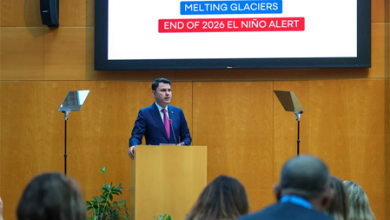
Pakistan economic reforms have entered a decisive phase as the country signals renewed confidence, stability, and global engagement. According to USA Today, Federal Minister for Finance and Revenue Senator Muhammad Aurangzeb has described Pakistan’s current economic trajectory as a critical turning point, driven by sustained reforms, policy continuity, and renewed investor trust.
After years of economic volatility, Pakistan is now transitioning from crisis management to long-term growth planning. This transformation reflects a shift toward export-led development, productivity enhancement, and institutional reform—key pillars supporting long-term economic resilience.
Macroeconomic Stability Restores Investor Confidence
One of the most significant outcomes of Pakistan’s economic reforms is restored macroeconomic stability. Senator Aurangzeb confirmed that Pakistan has achieved both a primary fiscal surplus and a current account surplus, a milestone unseen in recent years.
Inflation, which peaked at 38 percent, has now dropped to single digits, easing pressure on households and businesses. Foreign exchange reserves have risen above $14.5 billion, offering approximately 2.5 months of import cover and reinforcing confidence in the country’s external position.
These improvements have stabilized the exchange rate and encouraged domestic and international investors to re-engage with the Pakistani market.
Export-Led Growth and Structural Transformation
A central pillar of Pakistan economic reforms is the deliberate shift away from consumption-led and debt-driven growth toward an export-oriented economic model.
The government has initiated:
- Structural tax reforms
- Energy pricing adjustments
- Tariff rationalisation to dismantle protectionism
- Simplified procedures for exporters
These changes are designed to enhance productivity, improve competitiveness, and integrate Pakistan more deeply into global value chains.
Key Export Growth Areas
- Information Technology (IT): Exports have surpassed $4 billion, with potential to double in five years.
- Textiles: Moving toward value-added production.
- Agriculture: Modernization and diversification of exports.
Fiscal Discipline and Inflation Control Strengthen Stability
Pakistan’s fiscal discipline marks a dramatic policy shift. The government has maintained reform momentum despite political and economic challenges, ensuring that short-term relief does not undermine long-term sustainability.
Strong remittance inflows have further supported economic stabilization, while prudent fiscal management has reduced reliance on external borrowing.
According to the Ministry of Finance, these reforms signal a decisive break from cyclical boom-and-bust economic patterns.
Investment Climate and Global Confidence Rebound
Senator Aurangzeb highlighted that Pakistan has become increasingly attractive to global investors, particularly in emerging sectors such as:
- Technology and digital services
- Renewable energy
- Mining and minerals
- Agribusiness
The Tethyan Copper Belt in Balochistan, rich in critical minerals, has drawn attention amid rising global demand for copper and rare earth elements.
External Reference: World Bank – Pakistan Country Partnership Framework
Strategic Reforms and the “East Asia Moment” Vision
Pakistan’s long-term development strategy aligns with the World Bank’s vision of an “East Asia moment,” emphasizing:
- Export competitiveness
- Human capital development
- Climate resilience
- Population management
A 10-year Country Partnership Framework with the World Bank supports this vision, integrating economic reform with social and environmental sustainability.
Climate Resilience and Human Development Priorities
Beyond fiscal indicators, Pakistan economic reforms address deeper structural challenges. Climate vulnerability, population growth, and education gaps remain major concerns.
The government is actively collaborating with international partners to strengthen disaster preparedness, improve climate adaptation, and enhance water security.
Special emphasis has been placed on:
- Female education and workforce inclusion
- Reducing child stunting
- Expanding digital access
These reforms are essential for long-term productivity and social stability.
Risks, Challenges, and Policy Discipline
Despite encouraging progress, risks remain. These include:
- Global commodity price volatility
- External debt pressures
- Regional geopolitical uncertainties
However, the government maintains that policy discipline, transparency, and international cooperation will safeguard recent gains.
Global Partnerships and Investor Outlook
The government has extended a clear invitation to global investors, particularly from the United States, to explore opportunities in:
- Agriculture and agritech
- Mining and critical minerals
- Digital infrastructure and AI
- Climate-smart development
Regulatory reforms and investor-friendly frameworks are being introduced to ensure long-term returns and policy predictability.
Conclusion: Pakistan’s Shift from Crisis to Opportunity
Pakistan economic reforms mark a historic transition from economic fragility to sustainable growth. With stabilised macroeconomic indicators, expanding exports, and renewed investor confidence, the country is repositioning itself as a competitive emerging economy.
As Senator Muhammad Aurangzeb emphasized, Pakistan is no longer defined by crisis management—but by opportunity, resilience, and transformation. For global investors and development partners, the message is clear: Pakistan is open for business and ready for long-term collaboration.