
Transformative Sustainability Dialogue as NUST Welcomes Swedish Ambassador for Green Innovation
NUST Sweden sustainability collaboration takes a transformative leap as the Swedish Ambassador explores textile sustainability and youth-led green innovation at NUST.
NUST Sweden sustainability collaboration emerged as a promising beacon for sustainable development as the National University of Sciences and Technology (NUST) hosted H.E. Alexandra Berg von Linde, Ambassador of Sweden, at its Office of Sustainability. The high-level engagement reflected a shared determination to accelerate environmentally responsible innovation, particularly in sectors critical to Pakistan’s economic and ecological future.
The meeting marked a constructive step forward in aligning academic excellence, international diplomacy, and sustainability-driven action. Both sides emphasized collaboration as a catalyst for long-term environmental and social impact.
Ambassador of Sweden Visits NUST Office of Sustainability
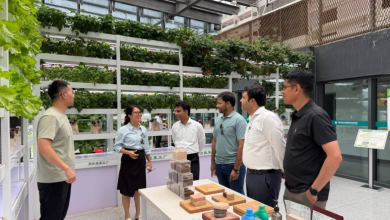
The NUST Office of Sustainability welcomed the Swedish Ambassador in an atmosphere of strategic dialogue and mutual respect. Discussions centered on identifying concrete areas of cooperation that can support Pakistan’s transition toward greener systems.
Sweden’s global leadership in sustainability, circular economy models, and climate-smart innovation provided valuable insights. NUST representatives highlighted the university’s commitment to embedding sustainability across education, research, and community engagement.
Strengthening Sustainable Solutions for Pakistan’s Textile Sector
A major focus of the NUST Sweden sustainability collaboration was the textile sector—one of Pakistan’s largest industries and also one of its most resource-intensive.
Key discussion points included:
-
Sustainable textile manufacturing practices
-
Reducing water and chemical use
-
Adopting circular economy principles
-
Innovation in eco-friendly materials
Sweden’s experience in sustainable fashion and green industrial transitions offers valuable pathways for Pakistan to modernize its textile industry without compromising environmental integrity.
Youth Engagement at the Heart of Sustainability Innovation
Youth engagement emerged as a central pillar of the NUST Sweden sustainability collaboration. Both parties recognized young people as powerful drivers of climate action and innovation.
NUST showcased its student-led sustainability projects, green entrepreneurship initiatives, and interdisciplinary research programs. The Swedish Ambassador emphasized empowering youth with global exposure, mentorship, and access to innovation ecosystems.
This shared vision reinforces the idea that sustainable futures must be co-created with the next generation.
External Link: UN Youth and Climate Action
Why the NUST Sweden Sustainability Collaboration Matters
The importance of the NUST Sweden sustainability collaboration lies in its potential to bridge academic research, industry reform, and policy influence.
This collaboration:
-
Strengthens international sustainability diplomacy
-
Enhances Pakistan’s capacity for green innovation
-
Encourages knowledge exchange on climate-resilient systems
-
Supports responsible economic growth
Such partnerships are vital in a world facing accelerating climate risks and resource constraints.
Institutional Commitment to Responsible Practices
NUST reaffirmed its institutional commitment to responsible practices through measurable sustainability goals. These include reducing campus carbon footprints, promoting sustainable procurement, and integrating climate education across disciplines.
The collaboration with Sweden aligns with global frameworks such as:
-
UN Sustainable Development Goals (SDGs)
-
Paris Climate Agreement
-
Responsible Consumption and Production models
External Link: UN Sustainable Development Goals
Global Partnerships and Knowledge Exchange
The NUST Sweden sustainability collaboration reflects the growing importance of global academic partnerships in addressing complex environmental challenges.
Sweden’s emphasis on evidence-based policy, innovation-driven sustainability, and inclusive development complements NUST’s research capacity and regional relevance. Collaborative research, faculty exchange, and joint innovation programs were discussed as future pathways.
Role of Universities in Climate and Sustainability Leadership
Universities play a critical role as incubators of sustainability leadership. NUST’s engagement with Sweden underscores how higher education institutions can act as conveners for policy, industry, and youth-driven climate solutions.
Through interdisciplinary research and community outreach, universities help translate sustainability concepts into practical action—making collaborations like this one particularly impactful.
Looking Ahead: A Shared Vision for a Sustainable Future
Looking forward, both NUST and the Swedish Embassy expressed optimism about transforming dialogue into tangible outcomes. Planned areas of cooperation may include pilot projects in sustainable textiles, student exchange programs, and joint innovation labs.
The NUST Sweden sustainability collaboration is expected to evolve into a long-term partnership grounded in trust, innovation, and shared responsibility.
Conclusion: Transforming Dialogue into Action
The visit of H.E. Alexandra Berg von Linde to NUST represents more than a diplomatic engagement—it symbolizes a transformative commitment to sustainability, youth empowerment, and responsible innovation.
As Pakistan navigates climate challenges and economic transitions, partnerships like the NUST Sweden sustainability collaboration offer hopeful pathways toward a greener, more resilient future driven by knowledge, cooperation, and action.