
Nepal Mountain Climate Diplomacy Shows Powerful Progress at COP30: 7 Hopeful Signals for Global Mountain Advocacy
Nepal Mountain Climate Diplomacy gained global momentum at COP30 in Brazil, as Nepal successfully advanced mountain and water priorities through powerful negotiations and strategic preparation.
Nepal Mountain Climate Diplomacy has emerged as a hopeful and powerful force in international climate negotiations, particularly following reflections shared during International Mountain Day events held last week in Nepal. The discussions drew heavily from outcomes and experiences at COP30, which took place in November in Belém, Brazil, where mountains finally gained stronger recognition within global climate frameworks.
This growing momentum highlights Nepal’s evolving role as a leading advocate for mountain ecosystems, water security, and climate resilience on the world stage.
International Mountain Day in Nepal: A Strategic Reflection
International Mountain Day this year was not merely ceremonial. Instead, it became a strategic platform to reflect on Nepal’s diplomatic engagement at COP30 and assess progress in mainstreaming mountain issues within global climate discourse.
The event brought together policymakers, climate experts, and international organizations to discuss how global negotiations can better represent mountain-specific vulnerabilities and opportunities.
COP30 in Belém: A Breakthrough for Mountain Recognition
COP30 marked a positive turning point for mountain advocacy. For years, mountain ecosystems remained underrepresented in climate negotiations despite their critical role in freshwater supply, biodiversity, and food security.
At COP30, sustained advocacy efforts helped position mountains as essential components of climate resilience strategies. Nepal’s delegation played a visible and effective role in ensuring that mountain perspectives were included in negotiation texts, side events, and bilateral engagements.
External link: UNFCCC – Official COP Process
Mountains as Interconnected Water–Food–Energy Systems
A key highlight of the International Mountain Day event was a panel discussion moderated by Santosh Nepal from the International Water Management Institute (IWMI). The panel emphasized that mountains should be understood as interconnected water–food–energy systems, rather than isolated geographic features.
This systems-based framing helps policymakers recognize how climate impacts on glaciers, rivers, and highland agriculture ripple downstream, affecting millions of people.
External link: International Water Management Institute (IWMI)
Nepal’s Strong Voice in Climate Negotiations
Minister for Agriculture and Livestock Development, Madan Prasad Pariyar, highlighted that Nepal was particularly vocal and effective throughout COP30. According to the minister, Nepal advanced its national positions through:
- Formal COP negotiations
- Bilateral meetings with partner countries
- High-impact side events focused on mountains and water
This strategic engagement ensured that Nepal’s concerns were not only heard but also taken seriously by the international community.
The Role of IWMI in Strengthening Nepal’s Preparedness
In recent years, IWMI has played a crucial supporting role in advancing Nepal Mountain Climate Diplomacy. The organization has collaborated closely with the Government of Nepal to strengthen technical capacity and negotiation readiness.
IWMI supported multiple initiatives aimed at aligning national priorities with global climate frameworks, especially those related to water security and mountain resilience.
Climate Negotiation Training and Finance Access
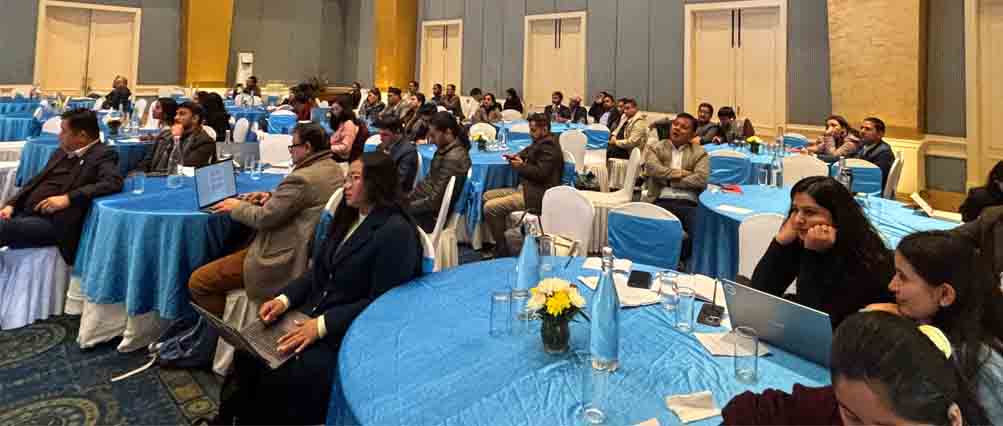
Preparation emerged as a decisive factor behind Nepal’s success at COP30. Minister Pariyar emphasized that negotiation trainings conducted earlier this year significantly enhanced the effectiveness of Nepal’s COP delegation.
IWMI organized two pre-COP trainings, focusing on:
- Climate negotiation strategies
- Accessing climate finance using tools such as the Water Resilience Tracker
These trainings strengthened Nepal’s ability to navigate complex climate finance mechanisms and advocate for mountain-specific funding.
External link: Green Climate Fund
Why Mountain Advocacy Matters for Global Climate Action
Mountains provide freshwater to over half of the world’s population. Yet, they face disproportionate risks from climate change, including glacier melt, landslides, and ecosystem degradation.
Nepal Mountain Climate Diplomacy demonstrates how targeted advocacy can elevate overlooked ecosystems within global climate frameworks. Recognizing mountains is not just about Nepal—it is about safeguarding global water, food, and energy systems.
Regional and Global Implications for Mountain Nations
Nepal’s success sets an important precedent for other mountain nations across Asia, Latin America, and Africa. Countries with similar geographic and climate vulnerabilities can draw lessons from Nepal’s approach, particularly its focus on preparation, alliances, and evidence-based negotiation.
This growing coalition of mountain states could reshape future COP agendas and financing priorities.
Conclusion: A Hopeful Path Forward for Nepal
The reflections shared during International Mountain Day in Nepal reveal a hopeful and strategic trajectory for Nepal Mountain Climate Diplomacy. From COP30 breakthroughs to strengthened negotiation capacity, Nepal has demonstrated how smaller, vulnerable nations can exert meaningful influence in global climate governance.
As climate risks intensify, Nepal’s leadership on mountain and water issues offers a powerful model—one rooted in preparation, partnerships, and persistence.