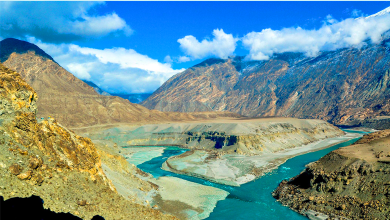


Alarming 7-Point Report: Pakistan Raises Alarm as India Releases Water in Chenab Without Prior Notice
Pakistan Raises Alarm as India Releases Water in Chenab Without Prior Notice, triggering fears of agricultural disruption and water mismanagement. This in-depth report examines flood risks, expert warnings, and the urgent need for cross-border coordination.
Pakistan Raises Alarm as India Releases Water in Chenab Without Prior Notice, creating widespread concern among government officials, farmers, and water management experts. The sudden surge in river flow has revived debates about cross-border water rights, vulnerabilities in river basin management, and the fragile trust under the Indus Waters Treaty (IWT).
According to officials, India unexpectedly discharged a significant volume of water from its upstream dams, raising the Chenab’s flow to 58,300 cusecs. Without pre-notification, Pakistan’s water authorities were left scrambling to assess potential downstream impacts, especially on the country’s agricultural belt.
Background: Why Chenab River Flows Matter
The Chenab River is one of Pakistan’s critical western rivers governed under the Indus Waters Treaty of 1960. Under the treaty—signed between Pakistan and India with the World Bank as guarantor—India must provide prior information when altering water flows that may impact Pakistan’s irrigation or flood management system.
Any sudden surge or reduction can significantly affect:
- Wheat and rice crop cycles
- Irrigation canal operations
- Flood control systems
- Hydropower management
Pakistan’s farming communities, especially in Punjab, heavily depend on predictable Chenab flows for stable agricultural output.
For reference, the full treaty details can be accessed at the World Bank official document (DoFollow):
https://documents.worldbank.org/en/publication/documents-reports/documentdetail/090224b0842f3d7b
India’s Water Release and the 58,300 Cusecs Surge
Officials confirmed that India released water without issuing the required alert under existing information-sharing mechanisms. The resulting rise to 58,300 cusecs placed immediate pressure on downstream embankments, distributaries, and irrigation canals.
Some experts argued that such sudden releases can be harmful during sensitive agricultural seasons, particularly December and January, when wheat production reaches critical growth phases.
Agricultural authorities fear:
- Waterlogging in low-lying farmlands
- Damage to newly sowed wheat
- Interruption in irrigation scheduling
- Risk of subsequent acute water shortages if India stops flows abruptly
Certain analysts even warned that India might refill its reservoirs shortly afterward, potentially dropping the river flow “to nearly zero”—a harmful fluctuation for crop development.
Experts Warn of Agricultural Damage and “Water Terrorism”
Prominent water specialists described the incident as a potential act of “water terrorism,” citing the destabilizing effect of sudden releases followed by abrupt reductions. Wheat, being a water-sensitive crop, requires regulated irrigation. Unpredictable water patterns can reduce yield quality and accelerate economic losses for farmers.
Environmental analysts also highlight that inconsistent cross-border water behavior may:
- Harm Pakistan’s food security
- Increase irrigation dependency on tube wells
- Exacerbate groundwater depletion
- Trigger flash-flood–like situations in areas near the Chenab
This pattern has raised alarm among farmer associations, who claim that water should not be used as a coercive tool between neighboring countries.
For additional reference on Pakistan’s crop water requirements:
https://www.fao.org/land-water/databases-and-software/crop-information/en/
Context: Pakistan’s Devastating Floods in 2025
This alarming development comes only months after Punjab suffered severe flooding in August and September 2025. Heavy monsoon rains combined with India’s increased water releases into the Ravi, Chenab, and Sutlej Rivers triggered:
- Widespread inundation
- Large-scale evacuations
- Extensive crop destruction
- Strain on rescue and relief operations
Pakistan’s National Disaster Management Authority (NDMA) is still recovering from the extensive damages reported in several districts.
Government Response and Monitoring Requirements
Officials have urged immediate and enhanced monitoring of river levels. Pakistan’s Indus Water Commission has called for stronger implementation of the treaty’s information-sharing clauses.
Key government actions recommended include:
- 24/7 monitoring of river inflows at headworks
- Improved weather–water forecasting models
- Strengthening flood early warning systems
- Diplomatic engagement with India to ensure treaty compliance
Experts believe that long-term security requires Pakistan to modernize its irrigation infrastructure, invest in real-time water telemetry systems, and improve coordination with provincial irrigation departments.
Conclusion: The Need for Stronger Water Diplomacy
As Pakistan Raises Alarm as India Releases Water in Chenab Without Prior Notice, the incident underscores the fragility of water relations between the two nuclear-armed neighbors. Sudden fluctuations in river flows threaten not only Pakistan’s agriculture but also regional stability and environmental security.
Stronger diplomatic mechanisms, transparent data sharing, and modern river monitoring technologies are essential to prevent future crises. For millions of Pakistani farmers, predictable river flows are not a political issue—they are a matter of survival.