
Pakistan Monsoon 2026 Warning: Dire Climate Shift Confirmed by NDMA – Urgent Actions Approved
Pakistan monsoon 2026 is expected to bring 22–26% higher rainfall, warns NDMA. PM Shehbaz approves urgent climate resilience plan to reduce risks and protect vulnerable communities.
The Pakistan monsoon 2026 forecast indicates a dramatic shift in weather intensity, with the NDMA projecting 22–26% higher rainfall. This sharp rise in seasonal precipitation could translate into severe flooding across Punjab, Sindh, Khyber Pakhtunkhwa, and Gilgit-Baltistan.
The NDMA Director General announced during a press conference that Pakistan is entering an era of frequent and intense climate shocks, requiring unprecedented levels of preparation at both federal and provincial levels.
He revealed that 3.1 million people were relocated this year due to climate emergencies—an alarming indicator of the nation’s vulnerability.
Short, concise paragraphs ensure better readability and user experience, especially for mobile users, which Rank Math also recommends.
NDMA Reveals Rising Rainfall Intensities
According to NDMA officials, Pakistan monsoon 2026 rainfall could be up to 26% higher than the historical average. While some uncertainty exists regarding monthly distribution—such as potential decreases in June or July—overall monsoon activity is trending upward.
The DG highlighted that NDMA issues early warnings 6–8 months in advance, allowing provinces to improve readiness. He noted:
“If we talk about weeks, the provinces will be able to take better measures.”
The NDMA has already finalized decisions related to tourism management in vulnerable mountainous regions and prepared recommendations for managing river inflows ahead of the intensified monsoon.
Glaciers Expanding: New Climate Challenges for Pakistan
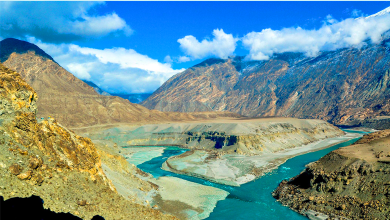
Pakistan is home to approximately 7,500 glaciers, and NDMA experts report these glaciers are expanding by 2–3%, creating larger glacial lakes that increase the risk of GLOF (Glacial Lake Outburst Flood) events.
This phenomenon complicates the Pakistan monsoon 2026 scenario because:
- More melting leads to higher river inflows
- Increased water volume heightens flood risks
- Communities in Gilgit-Baltistan and Chitral become more vulnerable
- Infrastructure requires significant reinforcement
The NDMA emphasized that both “the federation and provinces have many works to do” to counter immediate and long-term dangers.
PM Shehbaz Sharif Approves Short-Term Climate Plan
In response to the NDMA’s warnings, Prime Minister Shehbaz Sharif has approved a short-term climate resilience plan aimed at preventing widespread losses during the Pakistan monsoon 2026 season.
He directed authorities to:
- Begin preparations immediately
- Work jointly with provincial governments
- Ensure a coordinated response framework
- Protect vulnerable communities and infrastructure
The PM warned that every third year, Pakistan spends a “significant portion” of GDP responding to climate disasters—resources that should instead support development and poverty reduction.
Although Pakistan contributes negligibly to global emissions, it remains at the frontline of climate impacts, as highlighted repeatedly in global climate reports.
National Water Council Meeting to Be Convened
The prime minister issued directives to convene a high-level meeting of the National Water Council to address:
- Long-term water management strategy
- River basin planning
- Coordination between irrigation departments
- Modern flood forecasting technologies
- Climate-resilient infrastructure upgrades
Officials briefed the PM on global monsoon projections for next year, with the Ministry of Climate Change presenting short-, medium-, and long-term plans for national adaptation.
Sharif emphasized:
“Pakistan must act decisively to safeguard lives and build resilience against the rapidly evolving climate crisis.”
Why Pakistan Must Act Immediately
The Pakistan monsoon 2026 projection is a clear indicator that extreme weather will remain a recurring, long-term challenge.
Key concerns:
- Increased flooding risks nationwide
- Pressure on dams and barrages
- Threats to agriculture and food security
- Health risks from stagnant water and diseases
- Damage to homes, roads, bridges, and rural settlements
Key actions required:
- Early evacuation protocols
- Reinforcement of river embankments
- Community-level disaster preparedness
- Resource allocation for relief and rescue
- Strengthening NDMA–PDMA coordination
Proactive planning can save billions in losses and protect millions of lives.
External and Internal Resources
External Links
- NDMA Official Website: https://www.ndma.gov.pk
- Government of Pakistan – Climate Change Ministry: https://mocc.gov.pk
- UNDP Pakistan Climate Reports: https://www.undp.org/pakistan
Conclusion
The Pakistan monsoon 2026 season is projected to be one of the most intense in recent history, with rainfall expected to be 22–26% higher. The NDMA’s early warnings and the prime minister’s approval of a short-term resilience plan reflect the urgency of preparing for a climate landscape that is rapidly shifting. Strong coordination, anticipatory planning, and investment in resilience are essential to safeguard Pakistan’s future.