
5 Powerful Reasons Pakistan Adopts Climate-Smart Planning for Sustainable Growth
Pakistan adopts climate-smart planning to strengthen sustainable growth, enhance climate resilience, and ensure long-term development stability, says Ahsan Iqbal.
Pakistan adopts climate-smart planning—a proactive shift announced by Minister for Planning, Development and Special Initiatives, Professor Ahsan Iqbal—marking a historic turning point in how the nation prepares for climate threats while pursuing sustainable economic growth.
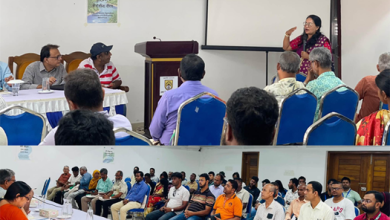
Addressing an event on Thursday, the minister declared that Pakistan had moved from a reactive climate response to a forward-looking, climate-smart planning framework. This transition, he said, is essential for strengthening the country’s resilience, stability, and sustainable development pathway.
He emphasized that every major climate shock has proven one thing: economic durability depends on environmental sustainability. Without climate-smart development, Pakistan’s growth remains vulnerable.
Climate Disasters Push Pakistan Toward Proactive Policy
In the wake of repeated climate catastrophes, Pakistan adopts climate-smart planning as a strategic necessity rather than an optional policy direction.
Ahsan Iqbal recalled that the 2022 super floods, which inflicted over $30 billion in losses, exposed the fragility of Pakistan’s infrastructure and governance systems. Again in 2025, major floods devastated large portions of the country, though improved preparedness helped Pakistan avoid even greater destruction.
He noted:
“Climate change is a present reality. We can no longer afford to act after disasters happen. We must build permanent institutional safeguards.”
The minister admitted that Pakistan has historically been “champions of more talk and less action,” but insisted that this culture must now transform into action-driven climate leadership.
Economic Stability Creates Space for Climate-Smart Growth
The minister linked climate-smart planning to economic revival.
He revealed that in April 2022, Pakistan was close to an internal default, as the Finance Division was unable to issue a monthly budget due to dangerously low reserves. Under Prime Minister Shehbaz Sharif’s leadership, Pakistan navigated through painful but necessary adjustments that revived economic confidence.
He highlighted that:
- Fitch, Moody’s, and Standard & Poor’s upgraded Pakistan’s ratings
- Inflation dropped from 38% to 4.5%
- Policy rate fell from 23% to 11%
- Stock market doubled in value
This recovery, Ahsan Iqbal argued, creates the foundation needed for sustained climate-smart development.
“Pakistan is ready to take flight—but this must be a sustainable flight, not another temporary rise followed by a crash.”
He also stressed that Pakistan’s youth deserve a future built on policy stability, not cycles of instability and crisis.
Institutional Reform & Green Building Code Implementation
A critical pillar of the new agenda is green infrastructure.
Under the initiative Pakistan adopts climate-smart planning, the government has introduced a comprehensive Green Building Code to ensure all new public-sector development aligns with climate-friendly principles.
Ahsan Iqbal clarified misconceptions:
“Green buildings do not mean painting structures green. It means designs that cut emissions, boost natural lighting, and conserve energy and water.”
The Planning Ministry has prepared a detailed manual guiding all departments and project teams on implementing energy-efficient, carbon-reducing construction practices.
The minister emphasized that future productivity will be measured by how “green, net-zero, and carbon-efficient” systems are.
Why Climate-Smart Planning is Critical for Pakistan’s Future
Because Pakistan adopts climate-smart planning, the nation now shifts into a more secure environmental and economic trajectory—essential for a country among the world’s top climate-vulnerable nations.
1. Reducing Disaster Losses
Climate-smart adaptation minimizes losses from floods, droughts, heatwaves, and storms—events that have cost Pakistan billions.
2. Ensuring Long-Term Economic Stability
A climate-resilient economy attracts investors and international development partners, strengthening Pakistan’s global economic position.
3. Protecting Infrastructure
Climate-smart construction reduces long-term maintenance costs and improves the lifespan of public assets.
4. Boosting Energy & Water Efficiency
Green buildings lower national energy demand, contribute to net-zero ambitions, and reduce pressure on Pakistan’s strained water resources.
5. Enhancing Urban Resilience
Cities require climate-friendly planning to withstand rising temperatures, pollution, and extreme weather.
The shift marks the beginning of a long-term national commitment to sustainable economic transformation.
Conclusion
The government’s announcement that Pakistan adopts climate-smart planning signals a defining moment for the country’s economic and environmental future. It reflects a new, action-oriented policy direction that prioritizes resilience, stability, and long-term prosperity.
With strengthened institutions, a Green Building Code, global rating upgrades, and renewed economic confidence, Pakistan now stands at the threshold of a sustainable development era—one that promises better opportunities for the nation’s youth and greater protection against future climate challenges.
External Links
- Climate-smart planning global framework – https://www.worldbank.org
- UN climate resilience guidelines – https://www.un.org