
Punjab Sets Up Pakistan Pavilion at COP30 in Brazil to Highlight Bold Climate Initiatives
The Punjab Pavilion at COP30 in Brazil showcases Pakistan’s climate resilience and flagship green projects led by Chief Minister Maryam Nawaz to inspire global cooperation on sustainability.
Punjab Pavilion at COP30 marks a defining moment in Pakistan’s climate diplomacy.
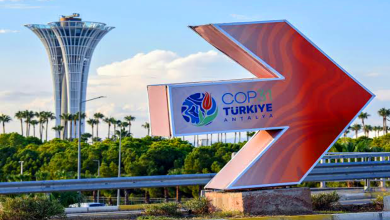
The Government of Punjab, led by Chief Minister Maryam Nawaz, has set up the Pakistan Pavilion at the UN Climate Change Conference (COP30) in Belém, Brazil, to highlight the province’s climate resilience and sustainable development initiatives.
The summit, running from November 6–21, brings together world leaders, scientists, and civil society to discuss strategies to limit global temperature rise to 1.5°C and strengthen climate finance commitments made at COP29.
Maryam Nawaz Leads Punjab’s Green Diplomacy in Brazil
Punjab Chief Minister Maryam Nawaz arrived in Brazil last week to attend the high-level sessions of COP30.
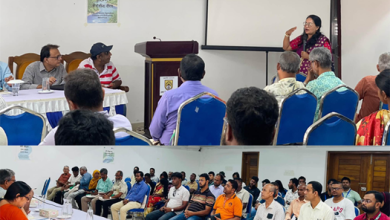
According to state broadcaster Radio Pakistan, she is scheduled to meet global leaders, negotiators, and development partners to present Punjab’s flagship climate projects.
During her visit, Nawaz is expected to highlight Pakistan’s subnational leadership in addressing climate change through sustainable agriculture, renewable energy, urban air quality control, and water conservation.
Her address at the Pakistan Pavilion will emphasize the “Suthra Punjab” (Clean Punjab) initiative — the province’s most ambitious waste management and sanitation reform program.
Pakistan Pavilion Theme: “From the Indus to the Amazon”
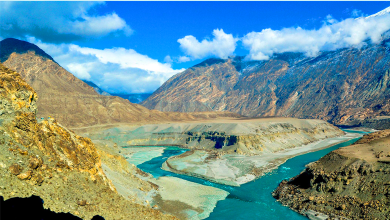
The Punjab Pavilion at COP30 has been designed under the theme “From the Indus to the Amazon”, symbolizing cross-continental solidarity between the river basins of Pakistan and Brazil.
Large interactive displays and digital screens at the pavilion showcase the Punjab government’s climate adaptation programs, clean energy investments, and nature restoration projects over the last 18 months.
Documentaries and multimedia presentations highlight efforts to protect rivers, forests, and farmlands, emphasizing how local communities in Punjab are playing a role in building a resilient, low-carbon future.
Punjab’s Climate Challenges: Floods, Smog, and Sustainability
Punjab, Pakistan’s most populous province, has faced severe climate shocks in recent years — from catastrophic floods to toxic smog that regularly chokes its cities.
In 2023, over 130 people lost their lives and 4.5 million residents were affected when torrential rains and cross-border floodwaters inundated large swathes of agricultural land.
Meanwhile, Lahore, the provincial capital, often ranks among the world’s most polluted cities, according to Swiss air quality tracker IQAir.
These environmental crises underline the urgency behind Punjab’s push for green infrastructure, reforestation, and clean transport — central pillars of the province’s new climate roadmap.
Showcasing Flagship Projects: “Suthra Punjab” and Green Innovation
At the COP30 pavilion, the Punjab government is showcasing its flagship initiatives designed to promote sustainable urbanization and environmental resilience:
- Suthra Punjab (Clean Punjab): A comprehensive province-wide initiative targeting solid waste management, plastic reduction, and sanitation reform in both urban and rural areas.
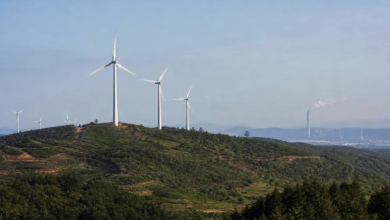
- Green Energy Corridors: Development of solar and biogas plants to reduce dependence on fossil fuels.
- Urban Forests Program: Expansion of Miyawaki-style micro forests in cities like Lahore, Faisalabad, and Rawalpindi to improve air quality.
- Smart Agriculture Projects: Introducing climate-resilient crop varieties and drip irrigation systems to enhance water efficiency.
- Pollution-Free Transport: Rolling out electric buses and vehicle emission regulations to tackle air pollution.
These initiatives demonstrate how subnational governments can lead by example in achieving Pakistan’s Nationally Determined Contributions (NDCs) under the Paris Agreement.
Pakistan’s Climate Vulnerability and Global Advocacy
Despite contributing less than 1% to global greenhouse gas emissions, Pakistan remains among the world’s most climate-vulnerable nations.
The devastating 2022 floods, which submerged a third of the country and caused over $30 billion in losses, remain a stark reminder of the climate injustice faced by developing nations.
Through the Punjab Pavilion at COP30, the government seeks to advocate for climate finance, loss and damage compensation, and technology transfer from developed nations to support local adaptation efforts.
Maryam Nawaz’s participation reinforces Pakistan’s call for equitable climate solutions that prioritize resilience, gender inclusion, and youth engagement in green transitions.
Why Punjab’s Pavilion Matters at COP30
The Pakistan Pavilion in Brazil not only highlights Punjab’s green leadership but also strengthens Pakistan’s diplomatic visibility at a crucial global platform.
By aligning provincial initiatives with UN Sustainable Development Goals (SDGs) and COP30 climate targets, Punjab is sending a strong message: subnational action is key to global climate stability.
Experts say that the pavilion’s multimedia storytelling, visual exhibits, and interactive sessions can inspire international collaboration and attract climate investment partnerships in renewable energy, waste management, and agriculture sectors.
Furthermore, Punjab’s approach to linking the Indus River basin with Brazil’s Amazon ecosystem offers a powerful narrative of shared ecological responsibility between the Global South regions most affected by climate breakdown.
External and Internal References
External Links:
Conclusion
The Punjab Pavilion at COP30 stands as a symbol of hope, resilience, and innovation in Pakistan’s climate journey.
By highlighting Maryam Nawaz’s leadership, the “Suthra Punjab” initiative, and grassroots adaptation efforts, Punjab is making its presence felt on the global stage — not just as a victim of climate change but as a vanguard of sustainable transformation.
As the world deliberates on achieving net-zero goals and climate justice, Punjab’s example proves that bold local action can drive global impact — from the Indus to the Amazon.