
Pakistan Needs $348 Billion to Tackle Climate Impact by 2030, Warns Sherry Rehman
akistan needs $348 billion to tackle climate impact by 2030, warns Sherry Rehman during a Senate briefing ahead of COP 30 in Brazil, highlighting dire environmental and financial challenges.
Pakistan needs $348 billion to tackle climate impact by 2030, a warning that underscores the country’s escalating vulnerability to global warming.
Speaking during a Senate Standing Committee on Climate Change meeting on Thursday, Senator Sherry Rehman emphasized that without massive financial support and stronger governance, Pakistan could face severe ecological and economic collapse in the next decade.
Senate Committee Reviews COP 30 Preparations
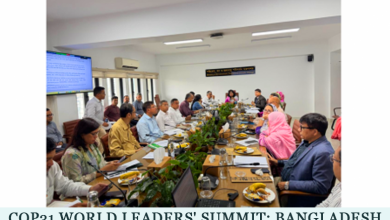
The meeting, chaired by Senator Sherry Rehman, discussed Pakistan’s strategy for representing its interests at the upcoming COP 30 Climate Summit.
The Secretary for Climate Change briefed that Brazil has outlined six priority points for the summit, placing special emphasis on forest conservation and ocean protection.
He revealed that Brazil itself is investing billions of dollars in sustainable forest management — a model that Pakistan could learn from. When asked whether the Prime Minister would attend the COP 30 conference, the secretary stated that the decision has not yet been finalized.
Brazil’s Climate Priorities for COP 30
Brazil’s approach to climate diplomacy centers on protecting its Amazon rainforest, restoring marine biodiversity, and expanding green financing.
These priorities align with the Paris Agreement targets and could shape new regional frameworks for forest restoration and carbon trading.
For Pakistan, which has one of the lowest forest covers in South Asia, this summit represents an opportunity to attract climate finance, strengthen its carbon credit markets, and collaborate on reforestation initiatives.
Learn more about COP summits on UNFCCC’s official website
Pakistan’s Environmental Warnings by Sherry Rehman
Senator Sherry Rehman warned that Pakistan’s environmental degradation is accelerating. She highlighted the country’s shrinking forest reserves, heavily polluted coastal belts, and rising air and water pollution levels.
She urged the committee members to visit affected regions and see firsthand the devastation caused by illegal logging, plastic waste, and unchecked industrial pollution.
“By 2050, our rivers could contain more plastic than fish if urgent measures are not taken,” Rehman cautioned, painting a grim picture of what lies ahead if current trends continue.
Funding Gap: $348 Billion Needed by 2030
One of the meeting’s most alarming revelations came when Sherry Rehman announced that Pakistan needs $348 billion to tackle climate impact by 2030 — a staggering figure that exposes the massive climate finance gap the country faces.
Currently, only 6% of this requirement has been secured through domestic and international funding.
This shortfall severely limits Pakistan’s capacity to:
- Build climate-resilient infrastructure,
- Develop early warning systems,
- Enhance renewable energy adoption, and
- Restore degraded ecosystems.
This funding estimate is consistent with findings from the World Bank’s 2024 Climate Development Report, which highlights that Pakistan ranks among the top 10 most climate-vulnerable nations worldwide.
(Source: World Bank Climate Data)
National Frameworks and Carbon Credit Negotiations
The Secretary for Climate Change informed the committee that Pakistan is currently negotiating a carbon credit mechanism with South Korea, aimed at promoting clean energy transitions.
He also mentioned that the Loss and Damage Fund, established under the COP 28 agreements, will soon become operational — allowing developing countries like Pakistan to access compensation for climate-related damages.
In parallel, the government is drafting a National Framework for Forest Restoration, focusing on:
- Preventing illegal logging,
- Promoting community-based forestry, and
- Leveraging carbon offsets for green growth.
This framework aligns with Pakistan’s Billion Tree Tsunami and Ten Billion Tree Tsunami Program, initiatives designed to revive the country’s dwindling forest cover.
(Internal Link: Read more about Pakistan’s reforestation efforts here.)
Meteorological Missteps and Public Concerns
Committee members expressed dissatisfaction with the Pakistan Meteorological Department (PMD), citing its failure to accurately predict the August 19, 2025, heavy rainfall in Karachi.
The actual precipitation far exceeded forecasts, equaling nearly the annual average rainfall within a single day — resulting in urban flooding, traffic chaos, and infrastructure damage.
The committee stressed that improved data accuracy and early warning systems are essential to saving lives and reducing economic losses during extreme weather events.
The Urgent Call for Global Climate Action
Pakistan’s warning isn’t isolated — it echoes the cries of many developing nations facing disproportionate climate impacts despite contributing minimally to global emissions.
Senator Rehman urged the international community to honor climate finance commitments, particularly the $100 billion annual fund pledged under the Paris Agreement.
She called for debt swaps for climate action, saying:
“Countries like Pakistan are drowning — not in debt alone, but in floods, droughts, and wildfires caused by climate injustice.”
The senator reaffirmed Pakistan’s support for global cooperation, climate adaptation, and sustainable investment in vulnerable regions.
Conclusion: From Awareness to Action
The stark warning that Pakistan needs $348 billion to tackle climate impact by 2030 must not go unheard.
As the nation prepares for COP 30 in Brazil, policymakers, businesses, and civil society must work collectively to secure international funding, strengthen resilience, and implement sustainable reforms.
With the right political will, climate finance, and international solidarity, Pakistan can turn its current vulnerability into a model of climate resilience and green transformation.