

7 Alarming Consequences as Pakistan Urges UN Action Over India’s Suspension of IWT
Pakistan urges UN action over India’s suspension of IWT, warning of a dangerous precedent threatening water security for over 240 million people amid climate stress.
Pakistan urges UN action over India’s suspension of IWT as Islamabad intensifies diplomatic efforts to protect one of the world’s most vital water-sharing agreements. Officials warn that New Delhi’s decision threatens regional stability, violates international law, and puts the water security of over 240 million Pakistanis at risk.
At a time when climate change is shrinking glaciers, altering monsoon patterns, and deepening water scarcity across South Asia, Pakistan says unilateral moves on transboundary rivers could trigger long-term humanitarian and geopolitical crises.
Pakistan Raises Alarm at the United Nations
The issue was formally raised by Yousaf Raza Gilani during a high-level meeting with Annalena Baerbock, President of the United Nations General Assembly.
Gilani described India’s suspension of the treaty as a blatant violation of international agreements and warned it establishes a “dangerous precedent” for future transboundary water conflicts.
He stressed that water security is not merely a bilateral issue but a global stability concern demanding immediate multilateral attention.
Why the Indus Waters Treaty Matters
Brokered and guaranteed by the World Bank, the Indus Waters Treaty has governed river-sharing between Pakistan and India since 1960.
Under the treaty:
- Pakistan controls the western rivers: Indus, Jhelum, Chenab
- India controls the eastern rivers: Ravi, Beas, Sutlej
This framework has survived wars, political crises, and decades of hostility — making it one of the world’s most resilient water agreements.
Experts widely consider it a cornerstone of South Asian water stability.
Climate Stress Makes Cooperation Critical
Gilani highlighted that climate change has transformed water from a shared resource into a strategic vulnerability.
Pakistan ranks among the most climate-affected countries globally, facing:
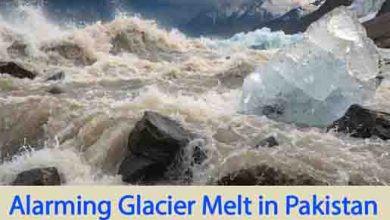
- Accelerating glacier melt in the Himalayas
- Erratic monsoon flooding
- Prolonged droughts in agricultural regions
- Declining groundwater levels
He emphasized that cooperation — not unilateral action — is essential to adapt to these challenges.
External Resource: https://www.worldbank.org/en/topic/water
Military Escalation and Regional Instability
India announced the treaty’s suspension following an attack in Indian-administered Kashmir that killed over 26 tourists.
New Delhi blamed Pakistan — a claim Islamabad strongly denied.
The fallout included:
- Four days of military confrontation
- Use of fighter jets, drones, missiles, and artillery
- Heightened risk of full-scale conflict
The standoff only ended after mediation by the United States.
Despite the ceasefire, diplomatic relations remain tense.
Legal Implications Under International Law
International water law experts argue that unilateral suspension of binding treaties violates:
- Customary international law
- UN watercourse principles
- Treaty obligation doctrines
The Indus Waters Treaty contains dispute resolution mechanisms — including arbitration — but no provision allowing suspension.
Pakistan has signaled potential legal escalation if diplomatic routes fail.
Pakistan’s Call for Multilateral Reform
During the Inter-Parliamentary Union annual hearing, Gilani reaffirmed Pakistan’s commitment to multilateralism.
He addressed the gathering hosted by the Inter-Parliamentary Union, calling for:
- Democratic global governance
- Equal application of international law
- Accountability of powerful states
“Reform must be for all — privilege for none,” he stated.
Global Reactions and Strategic Concerns
Water diplomacy analysts warn that if the IWT collapses, it could:
- Trigger future water weaponization
- Destabilize nuclear-armed neighbors
- Set precedent for other river conflicts worldwide
From the Nile Basin to the Mekong River, treaty erosion could ripple across global water security systems.
External Resource: https://www.unwater.org
What’s at Stake for 240 Million Pakistanis
Pakistan depends on the Indus Basin for:
- 90% of agricultural production
- National drinking water supply
- Hydropower generation
- Food security
Any disruption could:
Increase food prices
Reduce crop yields
Worsen urban water shortages
Intensify climate migration
Internal Link Example: https://vow101.com/wateragri/
The Road Ahead for Water Diplomacy
Pakistan is urging:
- UN mediation
- Restoration of treaty mechanisms
- International pressure on India
- Climate-cooperation frameworks
Diplomats believe global institutions must act swiftly before water disputes escalate into irreversible conflict.